
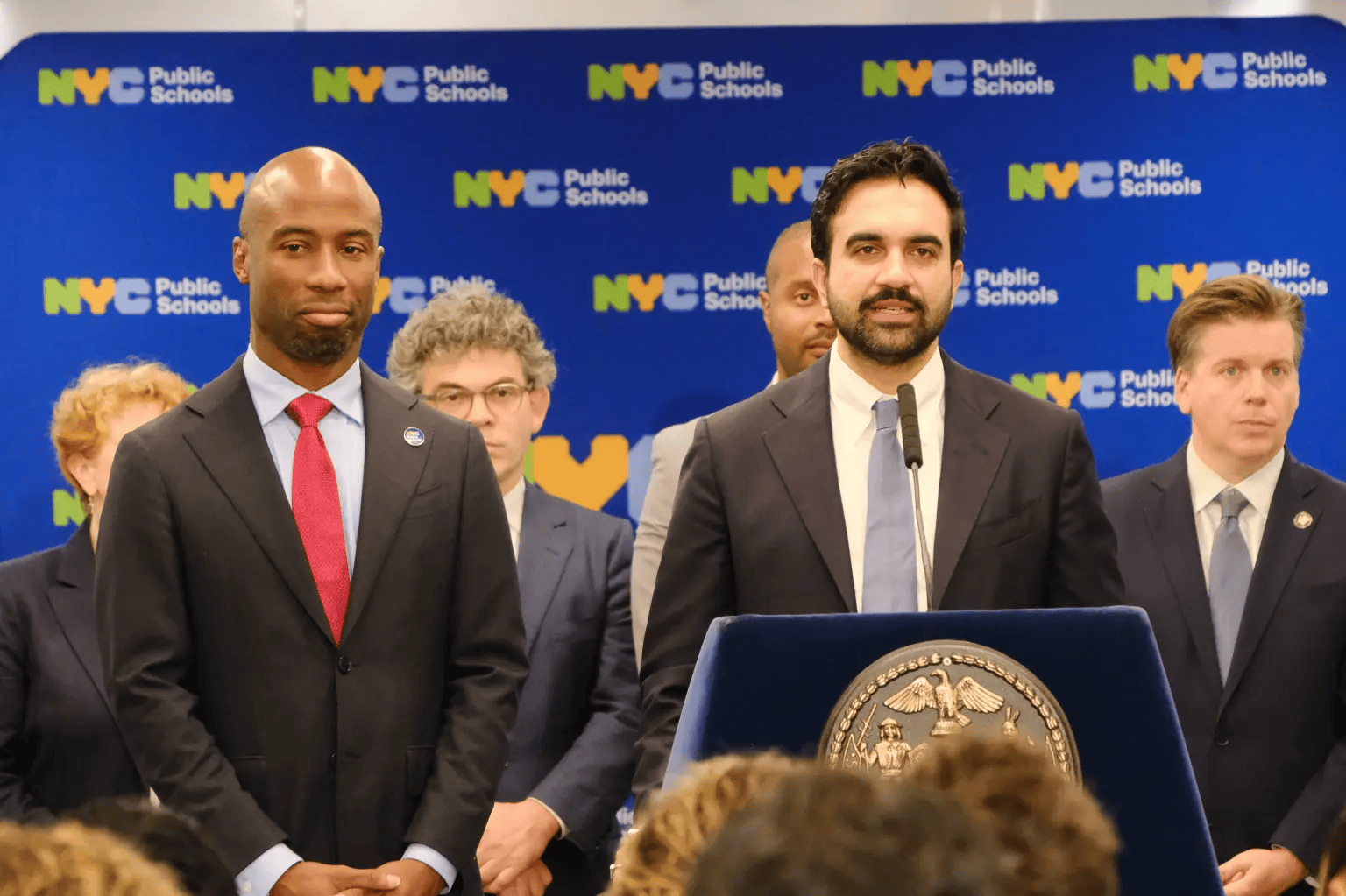
Warta Kema – On Wednesday (2/9), New York City (NYC) Mayor, Zohran Mamdani held a press conference alongside Schools Chancellor Kamar Samuels. This conference announced a year-long ban of Generative Artificial Intelligence (Gen AI) usage in public schools in New York from 2K (pre-kindergarten for 2 year-old children) all the way to 8th grade. A ban of this magnitude will influence around 600,000 of students throughout NYC, and many are talking about the influence that this decision will have on the productivity of students.
Mayor Zohran Mamdani says, “AI is present in nearly every aspect of our lives. How do we protect students’ developing minds? I am proud to announce New York City’s first-ever AI policy for our public schools. Children need teachers and human connection to learn and grow. Beginning this school year, we will implement a 1-year moratorium on AI.”
The policy more specifically consists of a one-year pause of student-facing generative AI, screen-time limits, a ban on companion chatbots, and high-school students receiving literacy modules as well as tightly watched pilots.
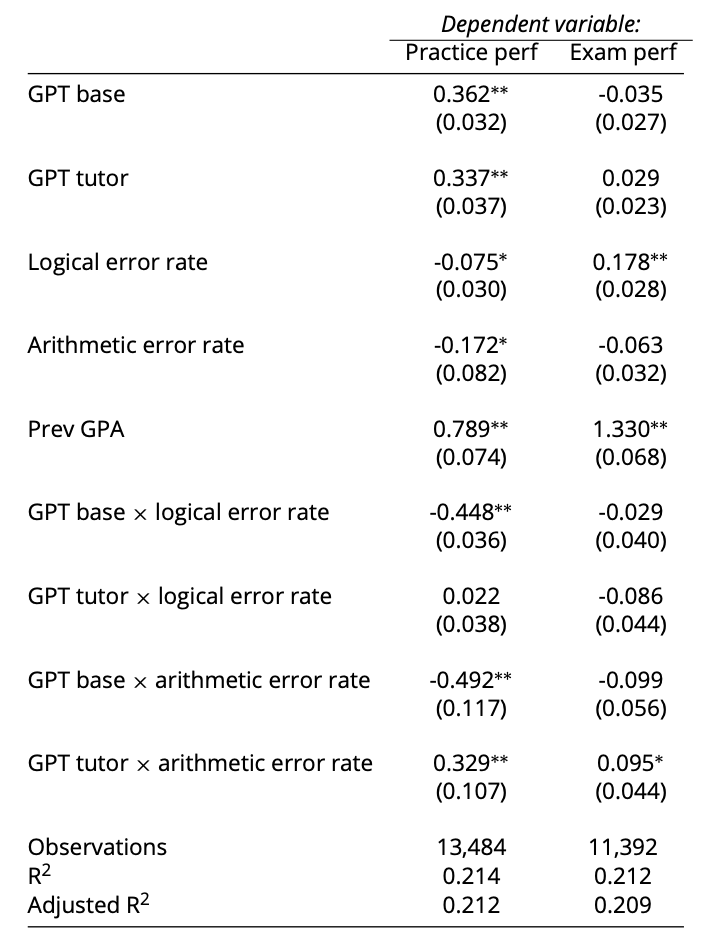
Mamdani’s claims are backed by science. Based on a 2025 study by Bastani and colleagues published in PNAS, a study of 1000 highschool students in Turkiye where they were tested in solving problems with and without Large Language Models (LLMs) (ChatGPT, Gemini, Claude, and the likes). Grades improved by 48% when students were allowed to use the help of AI. However, when the help of chatbots was taken away, they performed 17% worse than the students who never had them since the beginning.
Concerningly, after using electroencephalography to measure brain activity, a collaborative research by scholars from Massachusetts Institute of Technology (MIT), Wellesley College, and MassArt, noted that students who used AI to help them with their task had weaker neural connectivity when completing the task.
Starting this ban even earlier, from 2K, will be influential because this is a very important developmental period for the brain. Although we must also acknowledge that a lot of kids have a wide variety of temperaments that will react differently to the exposure that they have to AI content. Nonetheless, applying safeguards to AI is necessary to prevent things like academic dishonesty, loss of critical thinking, inaccurate information, dehumanisation, and dependence on tech.
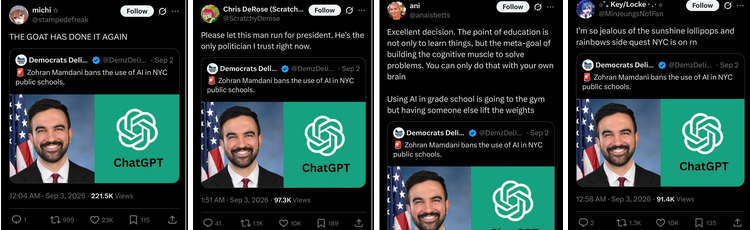
Online, the reception for this decision seems to be overwhelmingly positive, with some pointing to the literacy crisis in the United States and how it could be linked to students feeding their work into AI instead of training their critical thinking skills.
Major AI companies like Google and Anthropic have not commented on this policy yet. Though there are outspoken AI startup founders that have been quite vocal in their support of this ban, one of them being Scout (2025 AI startup) CEO, Noah Fichter.
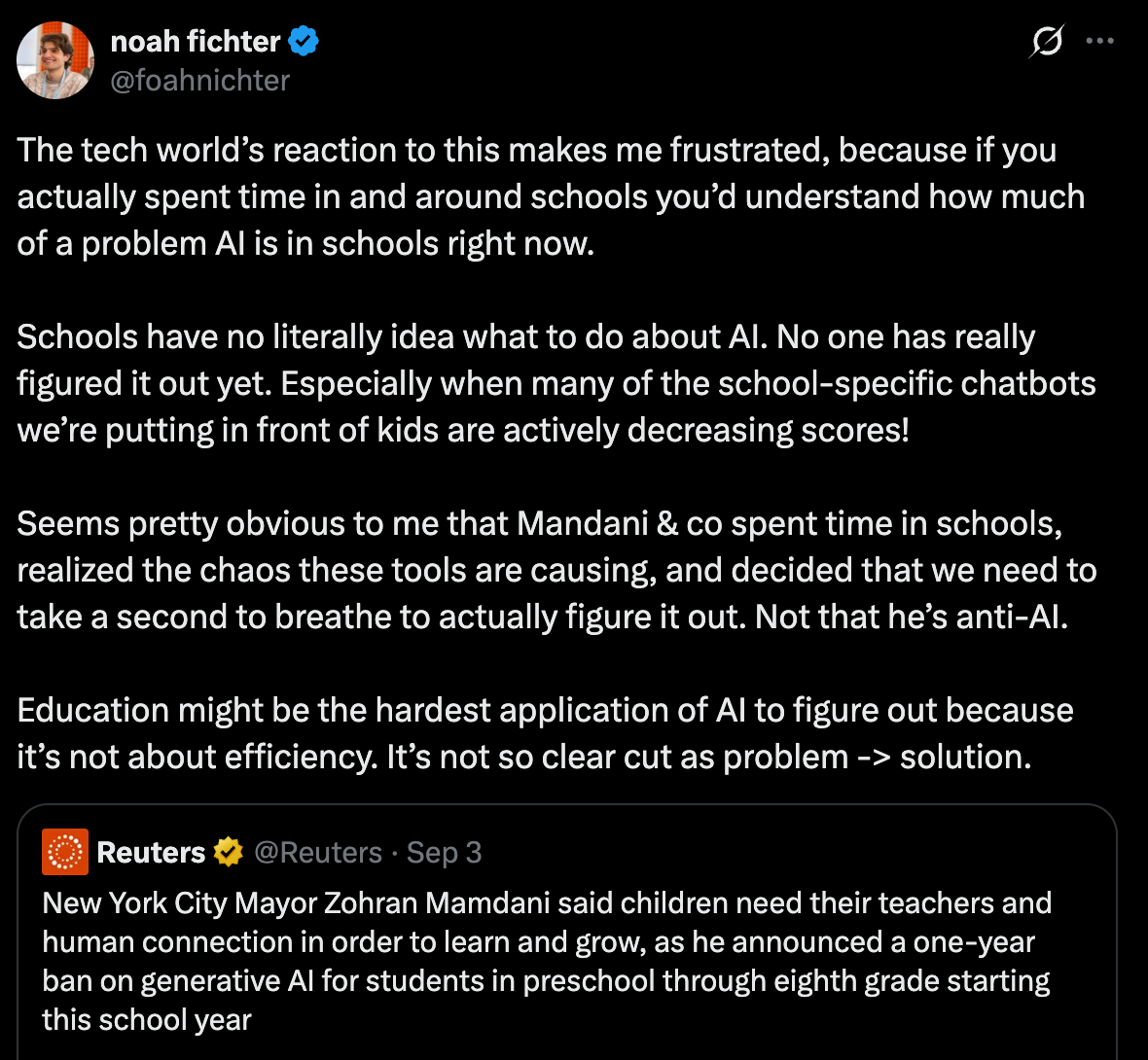
The question in everyone’s minds are: what effects will this ban impose on the new generation’s intelligence? Furthermore, will there be future similar bans following in its footsteps if it proves to be effective?
Reporter: Listra Yesarela Muskananfola
Editor: Elga Thalita Perangin Angin, Khayla Dinda Pradwina, Fernaldhy Rossi Armanda