
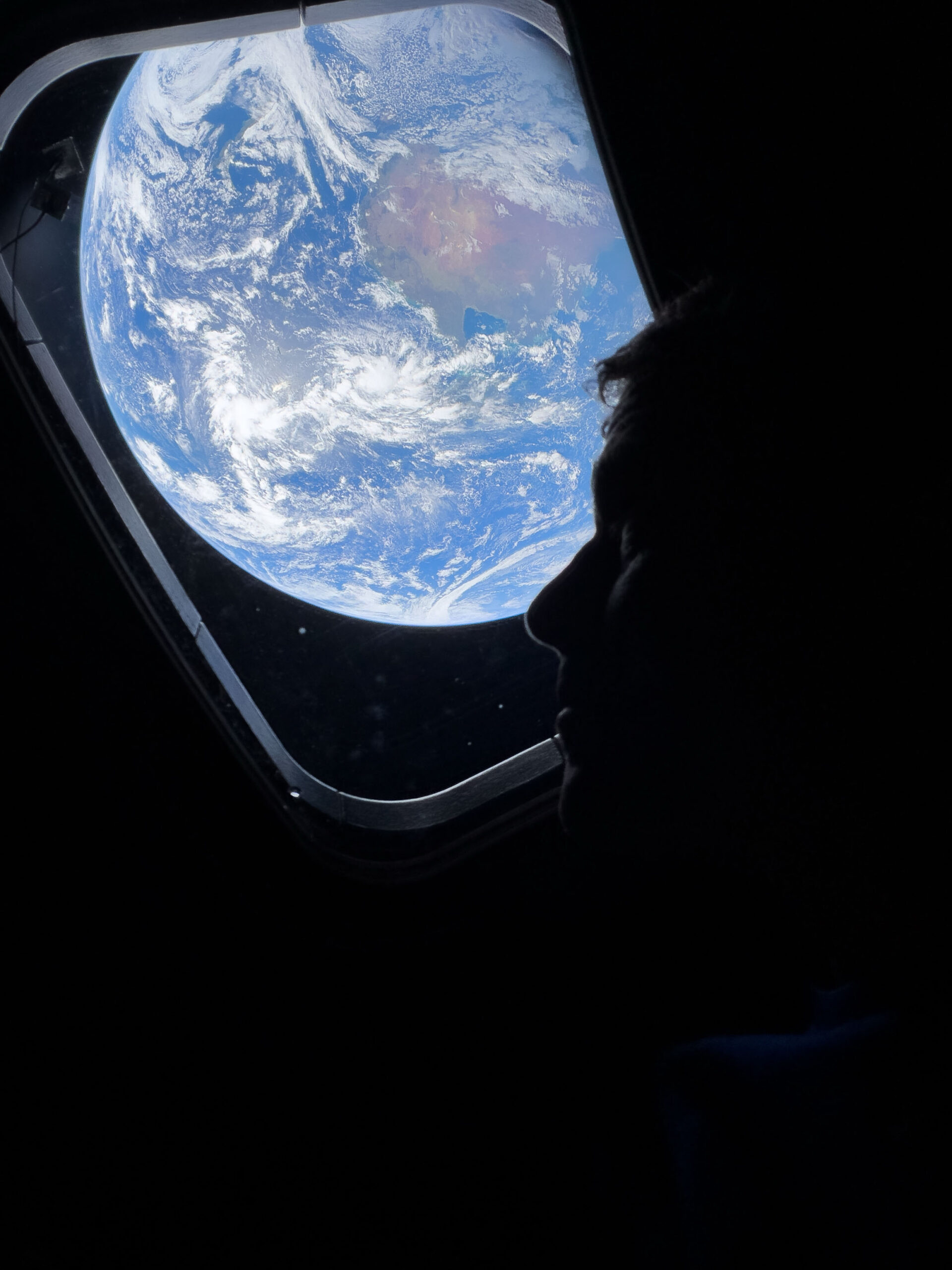
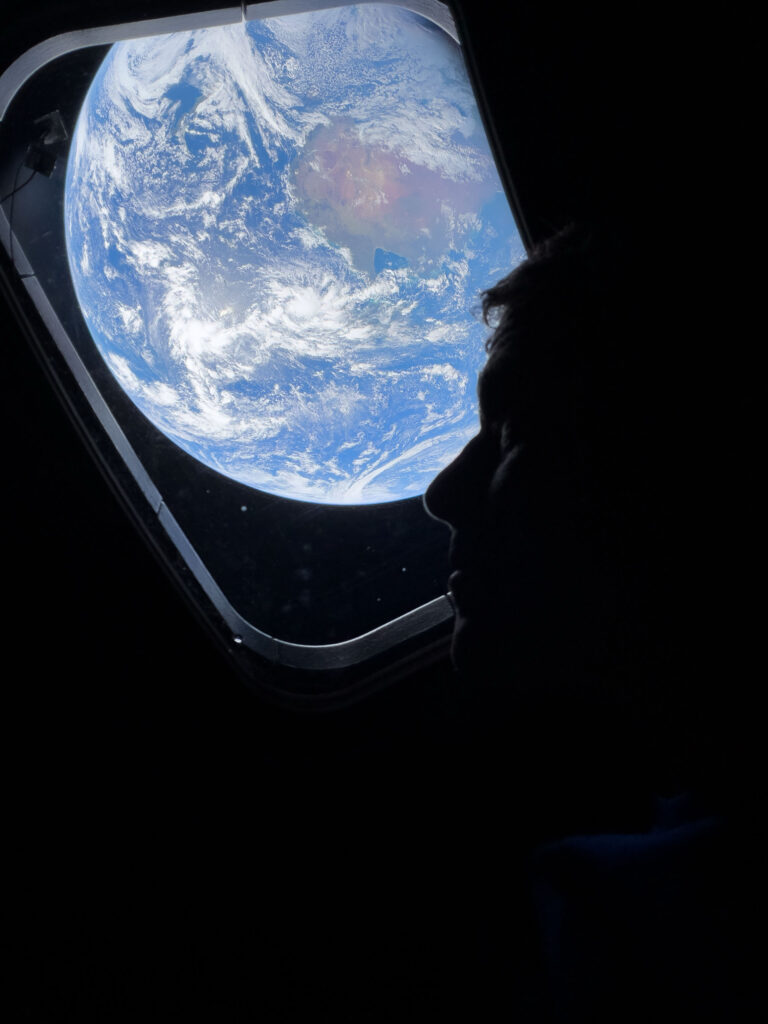
Warta Kema – “One small step for man, one giant leap for mankind.” These were the words echoed by Neil Armstrong as he planted his heavy boots, leaving humankind’s tracks for the first time on the surface of the moon. When Apollo 11 took flight in its highly publicised launch back in 1969, many paused their everyday activities and took the time to look up at the sky, not wanting to miss the historic moment when humans met Earth’s long-time friend up close.
Finally, on April 1, 2026, humankind could return. Four extraordinary astronauts, explorers of our moon, could finally reunite with our friend. They went farther than Apollo 11 ever did, marking a very significant moment in space exploration history to see the lunar surface that was previously unobserved.
Once again, humankind looks up and sees a trail of white smoke in the sky, and although the launch was flawless, the calculations and development of the mission started way back in 2017. The National Aeronautics and Space Administration (NASA) had to battle delays, engine failures, launch date selections, shuttle heat erosions, and all sorts of obstacles to achieve the goals they set out with the Artemis mission. The objectives were to validate the Orion spacecraft and launch system they created for deep-space travel, as well as prove their navigation and human health management in space, setting the stage for future lunar landings and Mars exploration.
To achieve this major goal that will pave the road (or, more accurately, sky) for space exploration, a heavy responsibility was going to be placed on the chosen team. Decorated individuals Victor Glover, Christina Koch, Jeremy Hansen, and Reid Wiseman were the astronauts chosen by NASA to pilot Orion, all bringing historic ‘firsts’ to space travel. Glover, being the first person of colour, Koch, the first woman, Hansen, the first non-United States (US) citizen, and Wiseman, the oldest to travel higher than the Earth’s lower orbit and to the moon.
This inclusive crew garnered widespread appreciation from many people, finding new hope in the inherent human desire for exploration, and finding themselves represented in amazing achievements in human history. The general public’s good opinion only intensified through NASA’s constant livestreaming of the astronauts in space, giving an inside-look of the Orion ship that was previously difficult to execute during the Apollo mission. The Artemis crew have endeared many, sparking worldwide interest and coverage. This has resulted in many seeing this mission as a culmination of scientific research and human passion. Evidently so, by how the mission has inspired artists on the internet, set on painting humanity in a hopeful light.
Though, of course, there are still groups of people who criticise this mission. They claimed that the US tax dollars could be relocated to more urgent matters, such as housing, food, and other things that are deemed more crucial to handle. Here are what a few users on X (formerly known as Twitter) have said about the mission.
The public reception of this mission has been what people would describe as “hope-core” (defined as a social media aesthetic and trend, curating uplifting, emotional, and inspiring content). However, these few individuals criticising the Artemis mission funding have sparked arguments online that boil down to “immediate needs vs long-term potential.”
The same sky that holds the white clouds of the Artemis mission’s spacecraft is the same one that hangs over the struggle of humanity. This paradox perfectly encapsulates the human experience: a quest for home, a quest for more, bringing the entire human race forward as time goes on. A quest not entirely agreed upon, but that small step Apollo 11 took back in 1969, and the small step Artemis II took in 2026, has become the giant leap mankind will take in every launch in the future.
Reporter: Listra Yesarela Muskananfola
Editor: Elga Thalita Perangin Angin, Khayla Dinda Pradwina, Fernaldhy Rossi Armanda