

A new hantavirus outbreak linked to cruise ship travel has drawn international concern. According to the World Health Organization (WHO), this is the fourth Disease Outbreak News report, with a total of 13 cases and three deaths reported as of May (27/05). WHO said that while it expects more cases to emerge, it does not anticipate a large epidemic anywhere similar to COVID. While the number of confirmed cases remains relatively small, public health experts are closely monitoring the situation. The outbreak has also attracted attention due to its connection with international cruise travel, which can facilitate the movement of infectious diseases across borders and complicate contact-tracing efforts.
The outbreak has been linked to the Andes strain of hantavirus, a rare but potentially severe virus that in some cases can spread between humans through close contact. The outbreak was first detected after WHO received notification on May (02/05) of severe respiratory illness cases aboard the Netherlands-flagged ship. Since the previous update, three additional confirmed cases were identified in Canada, the Netherlands, and Spain, while one previously suspected case from the United States was later ruled negative and removed from the total count.

According to the World Health Organization (WHO), Hantavirus infections are associated with a case fatality rate of <1-15% in Asia and Europe and up to 50% in the Americas, with 10,000 to over 100.000 infections occurring each year. The largest disease burden globally is in Asia and Europe. According to the World Health Organization (WHO), Hantaviruses found in Europe and Asia are known to cause haemorrhagic fever, or Hemorrhagic Fever with Renal Syndrome (HFRS), which will be explained in the next paragraph. In the Americas, infections are rarer, with only a few hundred cases per year.
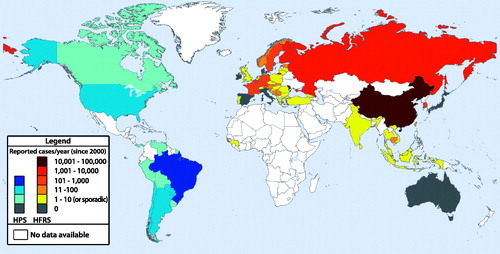
What is hantavirus?
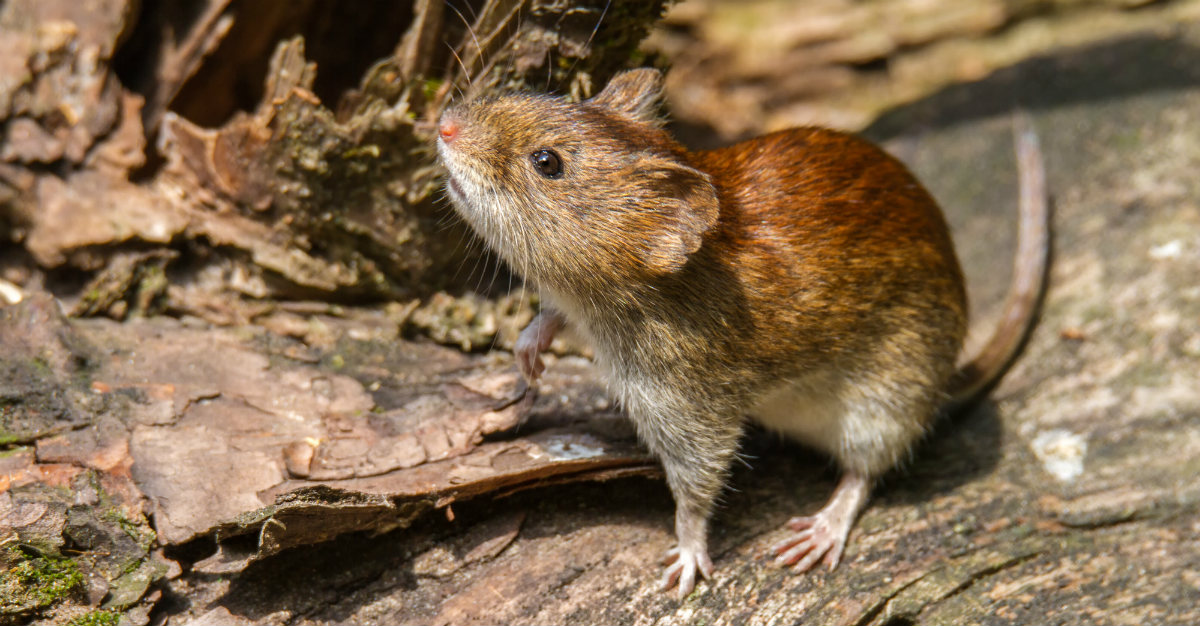
According to the World Health Organization (WHO), hantaviruses are a group of rodent-borne viruses that cause severe, potentially fatal respiratory and kidney diseases in humans. Unlike many dangerous viruses, hantavirus does not spread from person to person. Instead, each strain is tightly linked to a specific rodent species that could cause a long-term infection with no apparent illness; the virus causes no apparent harm to the animal carrying it. Hantavirus is not just one type of disease. It has two, where both are equally dangerous. First, Hemorrhagic Fever with Renal Syndrome (HFRS). It occurs mostly in Asia and Europe, attacking the kidneys and blood vessels with symptoms of fever, bleeding, and kidney failure. Second, Hantavirus Pulmonary Syndrome (HPS). It is more common in the Americas, where it attacks the lungs with symptoms such as shortness of breath and respiratory failure. The fatality rate of hantavirus can be very high, reaching up to 50% in some types of virus.
Unlike many infectious diseases, hantavirus does not require direct animal contact to infect a human. As stated by the World Health Organization, the primary transmission of hantaviruses to humans occurs from contact with contaminated urine, droppings, or saliva of infected rodents. Touching the eyes, nose, or mouth after touching a contaminated surface is a secondary route. Enclosed, dusty, and poorly ventilated spaces are the prone environments. People who work on farms or in forestry are at risk. They are more likely to come into contact with rodents.
What are the symptoms?
Hantavirus infections can be hard to identify in the early stage. Symptoms usually appear within 1 to 2 weeks but can take up to 8 weeks, depending on the type of virus. According to the Centers for Disease Control and Prevention (CDC), the national public health agency of the United States, symptoms of HPS usually start to show 1 to 8 weeks after contact with an infected rodent, while symptoms of HFRS usually develop within 1 to 2 weeks after exposure. In rare cases, they may take up to 8 weeks to develop.
The symptoms include fever, headache, muscle aches, and gastrointestinal symptoms such as abdominal pain, nausea, or vomiting. There are no reliable early signs that detect the infection at this stage; most patients don’t seek specialist care until the disease has already advanced. In America, the dominant syndrome is Hantavirus Pulmonary Syndrome (HPS). As the disease progresses into the cardiopulmonary phase, massive capillary leakage causes fluid to accumulate in the lungs. Patients can deteriorate from mild respiratory symptoms to complete respiratory failure within 24 to 48 hours. Without intensive care support in severe cases, survival rates drop sharply.
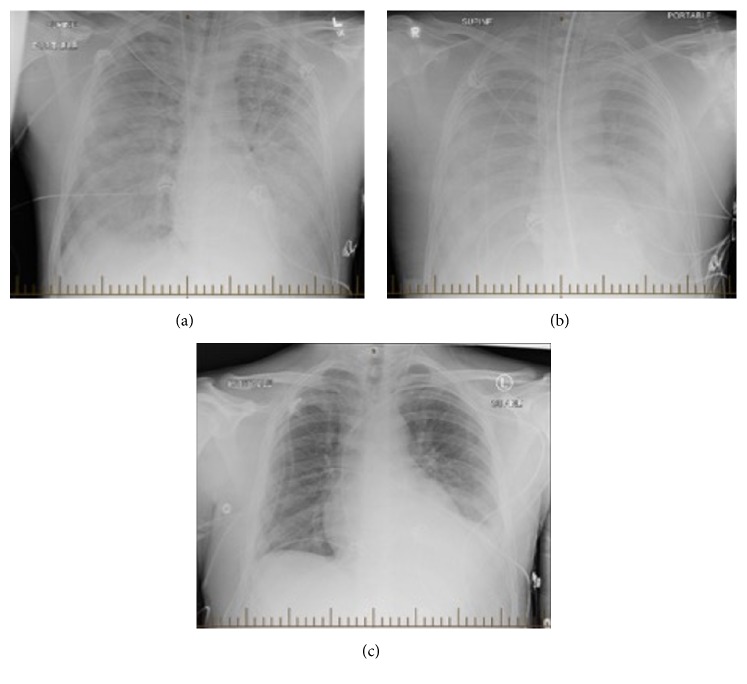
Progression of hantavirus pulmonary syndrome in a patient
How to prevent the disease?
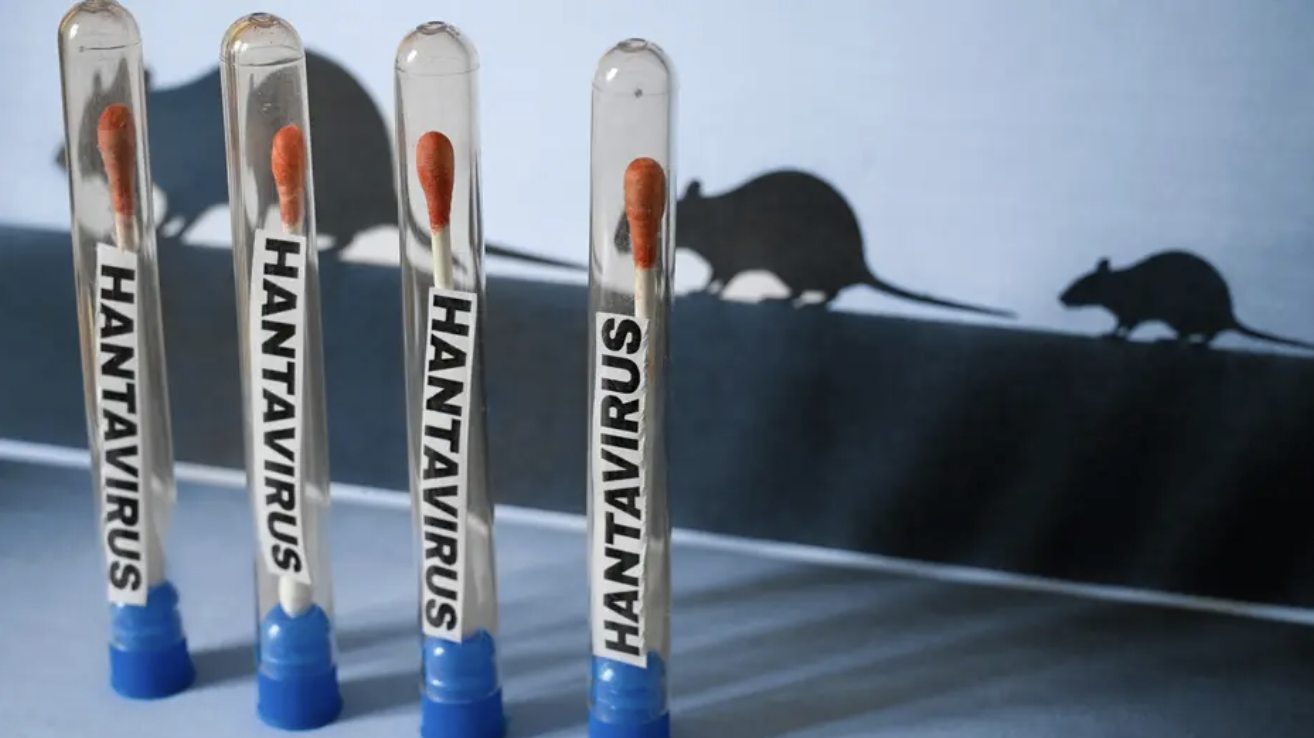
Researchers are currently studying several potential therapies, including antibodies that target the virus and drugs designed to stop it from multiplying. Advances in technology during the COVID-19 pandemic have created new opportunities to develop a hantavirus vaccine. In South Korea, an inactivated vaccine known as Hantavax is licensed to target the Hantaan virus (a common cause of Hemorrhagic Fever with Renal Syndrome or HFRS). However, this vaccine is made using animal brain tissue, and its production process and limited effectiveness mean that it does not meet today’s medical standards. There is still no vaccine currently available for hantavirus outside of China and South Korea. The WHO recommended reducing human-rodent contact to prevent this infection. This means sealing entry points in buildings (mice can enter through gaps as small as 6mm), using N95 respirators and nitrile gloves when cleaning potentially contaminated areas, and securing food storage to avoid attracting rodents in the first place. Hantavirus is one example of a disease that can spread from animals to humans. As people and wildlife come into closer contact, it becomes more important to monitor diseases, support scientific research, and educate communities about prevention.
Why do we still need to be alert?

(Source: CNN)
The hantavirus threat is still growing due to climate change reshaping animal habitats. Extreme weather events such as droughts or heavy rainfall can influence the reproductive timing of rodent host species. The abundant availability of nutrients for rodents also accelerated the reproductive time of rodent species, leading to massive population surges. “Global warming is pushing rats out of their natural habitats and into residential areas that provide more favorable conditions. Combined with rainy seasons and flooding, this situation increases the risk of transmission through rodent urine, feces, and saliva,” said Shelly Wulandari, a virology expert from the Faculty of Vocational Studies (FV) Universitas Airlangga (UNAIR). But, like most news stories born of panic, it disappeared as quickly as it appeared.
Despite these warning signs, hantavirus rarely receives sustained public or media attention. Outbreaks often generate brief headlines before fading from public discussion, especially when case numbers remain relatively low compared with more widespread infectious diseases. This pattern raises important questions about how societies perceive and prioritize health threats, as public concern is often influenced not only by the severity of a disease but also by its visibility and immediacy.
Hantavirus disappears from the public spotlight, replaced by a crisis perceived as more pressing. When COVID-19 emerged in late 2019, the world reacted with unprecedented speed. Governments declared emergencies, billions of dollars were used for research, and vaccines were developed in less than a year. While hantavirus has caused severe illness and death for more than four decades, there is still no widely available vaccine, no approved treatment, and no coordinated global response.
Why do some diseases receive urgent attention while Hantavirus remains ignored? The attention gap between COVID-19 and hantavirus
One of the reasons is because of the way the disease spreads. COVID-19 could be transmitted from person to person. Every country was vulnerable. Hantavirus is different. Most strains spread through contact with infected rodents and are not transmitted between humans. As a result, outbreaks remain localized, often affecting rural communities far from the center of the country. Because it does not have the potential to trigger a global pandemic on the scale of COVID-19, it’s not becoming a priority in international discussions.
Is virality more Important than fatality rates?
In March 2020, a headline announcing a hantavirus-related death in China briefly captured global attention. For about two days, hantavirus trended across social media and news platforms. But then it vanished. There were no long-term public health campaigns, no sustained media coverage, and no major government briefings. Hantavirus lacks many features that typically attract media attention. Unlike COVID-19, it does not shut down cities like in quarantine or disrupt global travel. As a result, despite having a higher fatality rate than COVID-19, Hantavirus receives little public attention and remains largely unknown to many people.
Who decides which viruses get funded?
According to several studies, funding for disease research is influenced by more than just scientific need. Political priorities, economic incentives, public interest, and commercial potential all play a major role in determining which diseases receive investment. While scientific need is foundational, allocations are driven by economic and political priorities and public interest. This reality leads to a misalignment between research investment and actual global disease burden. In many of these areas, hantavirus is at a disadvantage. Although it can be highly lethal, the number of cases is relatively small compared with diseases such as malaria, tuberculosis, and HIV (Human Immunodeficiency Virus). Many hantavirus infections occur in rural areas that have limited political influence and receive little media attention. Because hantavirus rarely spreads between people, pharmaceutical companies also have less financial incentive to invest in treatments and vaccines. As a result, hantavirus research has remained underfunded. Scientists studying the virus often compete for limited funding against diseases with larger networks and higher public reach.

The global distribution of hantavirus vaccines highlights inequality
Currently, South Korea and China are the only countries that have developed and licensed hantavirus vaccines. South Korea’s Hantavax has been available for decades, and China has developed its own inactivated vaccines. However, published data on their effectiveness remain limited, and neither vaccine is widely available internationally. For much of the world, there is no protection at all. As stated by WHO, in America, hantaviruses can cause Hantavirus Cardiopulmonary Syndrome (HCPS), a severe respiratory illness, with a case fatality rate up to 50%, but still lack access to vaccines. The same is true for regions of Central Asia where Hemorrhagic Fever with Renal Syndrome (HFRS) remains endemic. For these populations, prevention relies only on rodent control, public awareness, early diagnosis, and supportive medical care. This gap is not the result of scientific impossibility, but its the political and financial commitment needed to bring the vaccines to the people who need them most.
What are the solutions?
Addressing hantavirus requires more than responding to outbreaks after they occur. First, governments should increase investment in hantavirus research. More funding could accelerate the development of safer and more effective vaccines, improve diagnostic tools, and support studies on potential treatments. Research priorities should be based not only on the number of cases but also on the severity and fatality of the disease. Global health organizations should promote more access to vaccines and medical countermeasures. Existing vaccines in China and South Korea demonstrate how vaccine development is possible. Greater international collaboration could help improve these vaccines and make them available to populations that face the highest risk.
Reporter: Varadwina Clara Tsabitah
Editor: Elga Thalita Perangin Angin, Khayla Dinda Pradwina, Fernaldhy Rossi Armanda